FAQ's of Acetic Acid:
Q: What precautions should be taken while handling acetic acid?
A: As acetic acid is classified as corrosive and poisonous (Hazard Class 8), always use appropriate personal protective equipment, such as gloves, safety goggles, and a lab coat. Ensure use in well-ventilated areas and avoid inhaling vapors. Emergency eyewash and safety showers should be easily accessible during handling.
Q: How is acetic acid typically stored and transported?
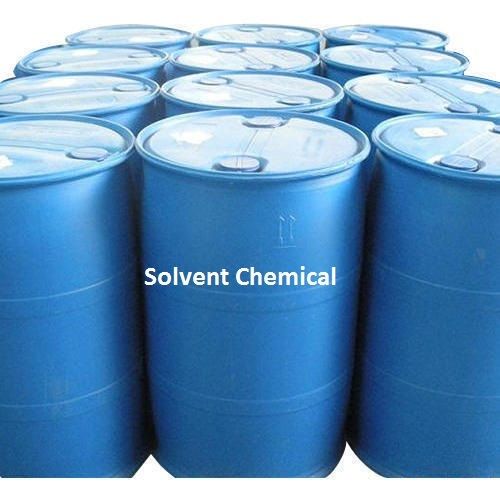
A: Acetic acid should be kept tightly closed in HDPE drums, IBC containers, or tankers, stored in cool, dry, and well-ventilated spaces away from direct sunlight and sources of heat. These storage measures help prevent accidents and preserve the material's quality throughout its 2-year shelf life.
Q: What industrial processes use acetic acid and why?
A: Acetic acid is essential in producing acetates, acting as an acidulant in foods, and serving as an important solvent in chemical reactions. Its high purity and miscibility make it suitable for textile finishing, food processing, pharmaceuticals, leather treatment, and various chemical syntheses.
Q: Where is acetic acid commonly applied across industries?
A: This compound finds widespread application in textile plants for dyeing and finishing, in the food industry as a flavoring and preservative, in manufacturing pharmaceuticals, in chemical syntheses, and in leather treatment. Its adaptability across processes is due to its chemical properties and high purity.
Q: How does the purity and physical properties of acetic acid benefit its industrial use?
A: With a purity level of 99% minimum and clear, colorless appearance, acetic acid ensures consistent outcomes in manufacturing and processing. Its ability to dissolve with water, alcohol, and ether helps in producing uniform solutions and formulations for industrial processes.
Q: What is the process for using acetic acid in food applications?
A: In food processing, industrial-grade acetic acid is typically diluted and used as an acidulant to adjust acidity, preserve foods, and enhance flavors. All handling must adhere to food safety regulations, and only food-grade acetic acid should be used in edible products.


 Chat with us







 Send Inquiry